
How Drones are Transforming Aerial Photography and Videography
- thomaswillson6
- Jul 21
- 4 min read
In recent years, drones have emerged as a powerful tool in various industries, particularly in aerial photography and videography. These unmanned aerial vehicles (UAVs) have revolutionized how we capture images and videos from above, providing stunning and unique perspectives that were once reserved for professional photographers with expensive equipment. This blog post will explore how drones are transforming aerial photography, the technology behind them, legal considerations, practical applications, and tips for getting started with drone photography.
The Impact of Drones on Aerial Photography
Drones have significantly changed the landscape of aerial photography. Traditional methods often involved heavy equipment, such as helicopters or large cranes, which were not only costly but also restricted access to many areas. With drones, even hobbyists can capture breathtaking images that were previously only possible for professionals.
The ease of use and affordability of drones have opened the door for photographers and videographers of all skill levels. According to a report from the Federal Aviation Administration (FAA), the number of registered drones in the U.S. reached over 1.7 million by 2020, highlighting the growing popularity of this technology.

One of the key benefits of using drones in aerial photography is their ability to access hard-to-reach locations. Drones can fly at various altitudes and capture images in places that would be impossible to reach otherwise. Whether you're shooting landscapes, real estate, or events, drones provide an unparalleled perspective.
The Technology Behind Drones
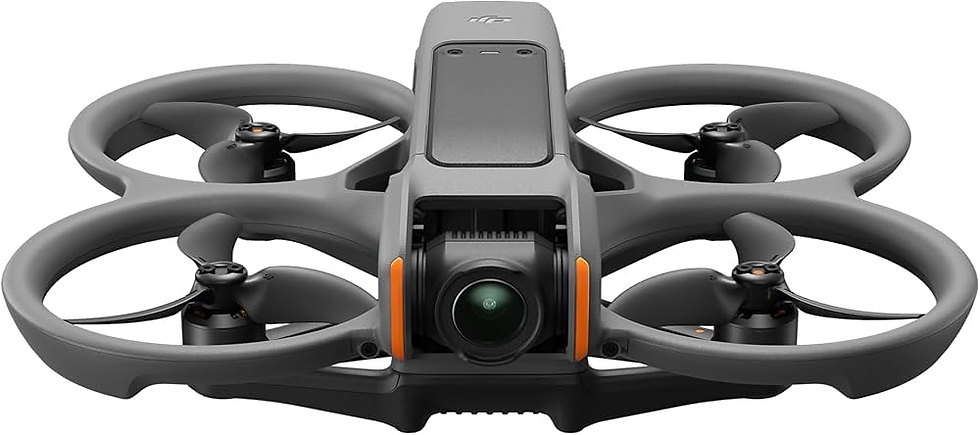
Drones come equipped with sophisticated technology that enhances their capabilities for photography and videography. Most modern drones feature high-resolution cameras, GPS, and stabilization systems that ensure steady shots, even in windy conditions.
The integration of image stabilization technology is especially noteworthy. Many drones come with gimbals that help keep the camera steady, reducing the shakiness often associated with aerial footage. For instance, the DJI Phantom series includes 4K capabilities, enabling photographers to capture crystal-clear images and videos that can compete with those taken by much more expensive equipment.
Currently, drone technology continually evolves, with manufacturers constantly improving durability, battery life, and camera quality. Some drones even have real-time image transmission capabilities, allowing users to see what the drone sees live on their smartphones or tablets. This live feed is beneficial for framing shots and ensuring that every moment is captured perfectly.

Is it illegal to fly a drone over someone's garden in the UK?
Understanding the legalities surrounding drone usage is crucial for any budding aerial photographer. In the UK, the law regarding flying drones over someone's property is governed by the Civil Aviation Authority (CAA). According to CAA regulations, it is illegal to fly a drone above 120 meters (394 feet) without permission.
Moreover, flying a drone over someone's private property, such as a garden, can raise privacy concerns. While it is not outright illegal to fly over someone's garden, it becomes a problem if the drone is capturing images or videos without consent. Photographers should always seek permission from property owners before capturing footage. Respecting privacy and following legal guidelines is vital in ensuring a positive relationship between drone operators and the public.
There are exceptions to these regulations, especially for commercial drone operations, which require permits and adherence to more stringent rules. Always check local regulations before flying.

Applications in Various Industries
Drones have expanded their utility beyond just stunning photographs and are now used in numerous industries:
Real Estate: Real estate agents use drones to capture aerial shots of properties and their surroundings. Aerial images can highlight landscaping, nearby amenities, and the property's scale, offering potential buyers a better understanding of the property.
Weddings and Events: Drones provide a unique perspective for capturing special moments during weddings and events. Aerial photography can document the ceremony from above, offering dynamic shots that traditional photography simply cannot provide.
Wildlife Conservation: Conservationists use drones to monitor wildlife and study animal behavior without disturbing their natural habitats. Drones can cover large areas quickly, aiding in conservation efforts and wildlife research.
Construction and Infrastructure: Drones are increasingly being utilized in construction projects for site surveys, progress tracking, and inspections. They provide contractors with valuable aerial views for decision-making and project updates.
These applications illustrate how drones foster creativity and innovation across sectors, from art to science and industry.
Getting Started with Drone Photography
For those interested in kickstarting their journey in drone photography, here are some practical steps to consider:
Choose the Right Drone: Research different drones available in the market and select one that fits your budget and skills. Consider features like camera quality, battery life, and flight time.
Learn the Basics: Familiarize yourself with drone operation and photography techniques. Several resources, including online courses and tutorials, can help improve your skills.
Follow Regulations: Make sure to comply with local laws regarding drone usage. If you plan to operate drones for commercial purposes, familiarize yourself with necessary licensing and permits.
Practice: Like any skill, practicing is crucial. Start by flying your drone in open areas to get comfortable with controls and maneuvering. Once you feel confident, venture out to capture images in various settings.
Experiment with Angles: Great photography often relies on perspective. Experiment with different flight heights and angles to find unique shots that stand out.
By applying these tips, you can harness the full potential of drone photography and create stunning visual content.
The Future of Aerial Photography with Drones
As drone technology advances, the future of aerial photography looks promising. We can anticipate improvements in camera quality, automation, and flight times. Innovations such as artificial intelligence (AI) are beginning to play a role in drone operations, enhancing features like obstacle avoidance and automated flight paths.
Furthermore, as public acceptance of drones rises, we can expect wider applications in new fields, such as search and rescue operations, inspection of critical infrastructure, and even delivery services. This increasing prevalence presents opportunities for photographers and videographers as they adapt to evolving technology.
In conclusion, the impact of drones on aerial photography cannot be overstated. With their ability to capture stunning visuals and access hard-to-reach locations, drones are changing the way we see our world. If you're curious about how to access these services, consider looking for drone services near me. Embrace the future of photography and explore the incredible possibilities that drone technology has to offer.
Comments