
How Drones Are Revolutionising Aerial Photography
- thomaswillson6
- May 26
- 4 min read
In recent years, drone technology has become more accessible, leading to a significant transformation in the field of photography. Aerial photography, once solely reserved for helicopters and small planes, is now widely practiced with the use of drones. This advancement has allowed photographers, filmmakers, and businesses to capture stunning images from new perspectives. But how exactly are drones revolutionizing this art form? Let's dive into the details.
The Rise of Drone Photography
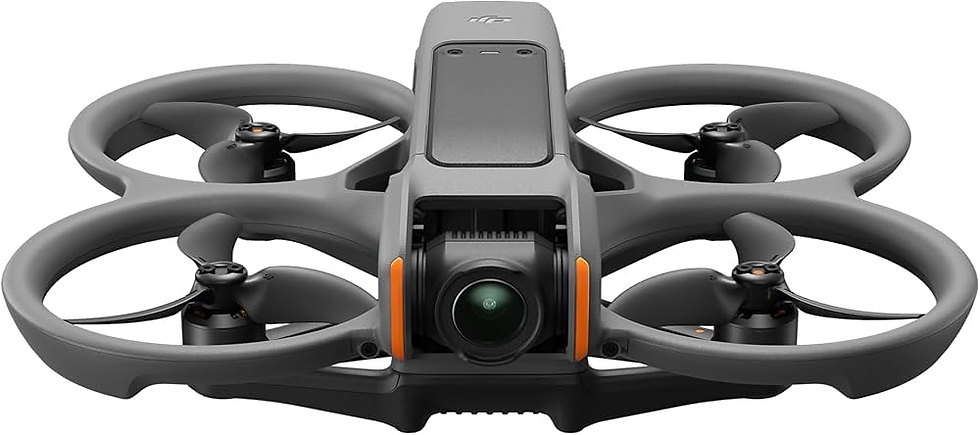
The advent of drones has opened up a world of possibilities in photography. Drones are equipped with high-resolution cameras that can capture breathtaking shots from the sky. This technology allows photographers to achieve angles and perspectives that were previously difficult or expensive to obtain.
With drones, photographers can easily capture vast landscapes, detailed architectural shots, and dynamic event photography. For instance, real estate agents use aerial photos to showcase properties, highlighting their surroundings and features. This enhancement attracts prospective buyers and provides a unique view of the property.

Furthermore, the aerial perspective can significantly tell a story. The ability to show the scale and context of a subject enhances the narrative, making images more engaging. As a result, many creatives across various industries are integrating drone photography into their work.
Benefits of Using Drones for Photography
The use of drones in photography offers numerous advantages over traditional methods. Here are some key benefits:
Cost-Effective
Hiring a helicopter or an airplane with a professional pilot can be prohibitively expensive. Drones, on the other hand, offer a more cost-effective solution for aerial photography. Many drones can be purchased at reasonable prices, and you often can find affordable drone services near me for rental or project-specific shooting.
Versatility
Drones are not just limited to landscape photography; they are incredibly versatile. They can be used for various purposes, including but not limited to:
Real Estate: Aerial shots give prospective buyers a sense of the property and its surroundings.
Events: Capturing weddings, concerts, and other significant events from a bird's-eye view creates unique and memorable imagery.
Sports: Action shots of athletes in a natural setting can elevate the storytelling aspect of sports photography.
Ease of Use
Modern drones are designed to be user-friendly. Many come with automated features that make flying and capturing images quite simple, even for beginners. Drone pilots can automatically program flight paths, adjust settings via mobile apps, and receive live feedback, making photography much more straightforward.

How Much Does Drone Mapping Cost UK?
When it comes to drone mapping, costs can vary widely depending on several factors, including project size, location, and complexity. On average, drone mapping services in the UK can range from £200 to £2,000 per project. Here are some factors that can influence these costs:
Project Size: Larger projects require more time and resources, which can increase overall costs.
Service Provider: More experienced providers typically charge higher rates, but they may also deliver better quality and more detailed output.
Data Processing: Some services charge extra for post-processing of the collected data, while others include it in their fees.
Investing in professional drone mapping can yield significant returns, whether you're surveying land for development, conducting inspections, or collecting data for research.
Best Practices for Aerial Photography with Drones
To make the most of your drone photography experience, it's essential to follow best practices. Here are some tips to improve your aerial photography:
1. Check Regulations
Before flying your drone, it's crucial to understand the regulations in your area. In the UK, specific rules govern where and how drones can be used, particularly in populated areas or near airports. Familiarizing yourself with these regulations ensures that you fly responsibly and safely.
2. Plan Your Shoot
Planning is vital to successful aerial photography. Consider the time of day, weather conditions, and the desired outcomes for your shoot. Early mornings or late afternoons often provide the best lighting conditions for photography.
3. Use a Tripod for Stability
Even though drones provide stability, adding a gimbal stabilizer can minimize any potential shake or vibration. This added stability contributes to smoother footage and clearer images.
4. Experiment with Different Angles
One of the benefits of using drones is the ability to capture images from various angles. Try different heights and positions to find the most visually appealing shots. Don’t hesitate to experiment until you find the perfect aerial view.
5. Post-edit your Photos
After capturing the aerial shots, utilize photo editing software to enhance the images further. Adjust colors, brightness, and contrasts to ensure your photos stand out.
Future Trends in Drone Photography
The field of drone photography is ever-evolving, with new trends and technologies emerging regularly. Here are a few exciting developments to watch:
Automated Drones
The future may see fully automated drones that require minimal human intervention. These drones could utilize AI to recognize subjects, adjust camera settings automatically, and plan flight paths based on terrain.
Improved Image Quality
As technology advances, the quality of cameras on drones improves. Expect newer models to offer even higher resolution, improving overall image clarity and detail.
Expanded Applications
Drones are expected to find more applications in various sectors, including agriculture, search and rescue, and environmental monitoring. This diversification of use will continue to broaden the scope of aerial photography.

Embracing the Future of Aerial Photography
Drones are undeniably changing the landscape of photography. They provide unprecedented access to stunning aerial views while being cost-effective and user-friendly. As technology continues to advance, the possibilities are endless. Embracing this shift not only enhances the art of photography but also opens doors to new and exciting opportunities.
Incorporating drone photography into your projects can elevate your visual content significantly. So, whether you're a hobbyist or a professional, don’t hesitate to explore the world of aerial photography. Start capturing breathtaking views today!

Comments